Can You Use Cabinet Paint on Walls? Pros, Cons, and Best Uses
Yes, you can paint walls with cabinet paint, but it usually isn't the best pick for most rooms. The bigger question is whether you should, because the finish, cost, and work involved can change the result more than people expect.
At Dr. Cabinet, one question comes up a lot: can you use cabinet paint on walls? You can, and sometimes it makes sense. Still, wall paint is made for broad drywall surfaces, while cabinet paint is made for hard, high-touch areas. That difference matters once the roller comes out.
What makes cabinet paint different from wall paint?
Cabinet paint and wall paint may look similar in the can, but they don't act the same on the surface. Cabinet paint is built to dry harder and smoother. Wall paint is built to spread across large areas and hide small flaws.
This quick side-by-side view makes the difference easier to see:
| Feature | Cabinet paint | Wall paint |
|---|---|---|
| Finish | Smoother, often shinier | Softer, usually flatter |
| Durability | Better against scuffs and moisture | Better at hiding dents and patches |
| Cost and coverage | Usually costs more, may cover less | Usually cheaper for full rooms |
For most walls, that softer look is a plus. It gives drywall a more natural finish and is easier to apply with a roller.
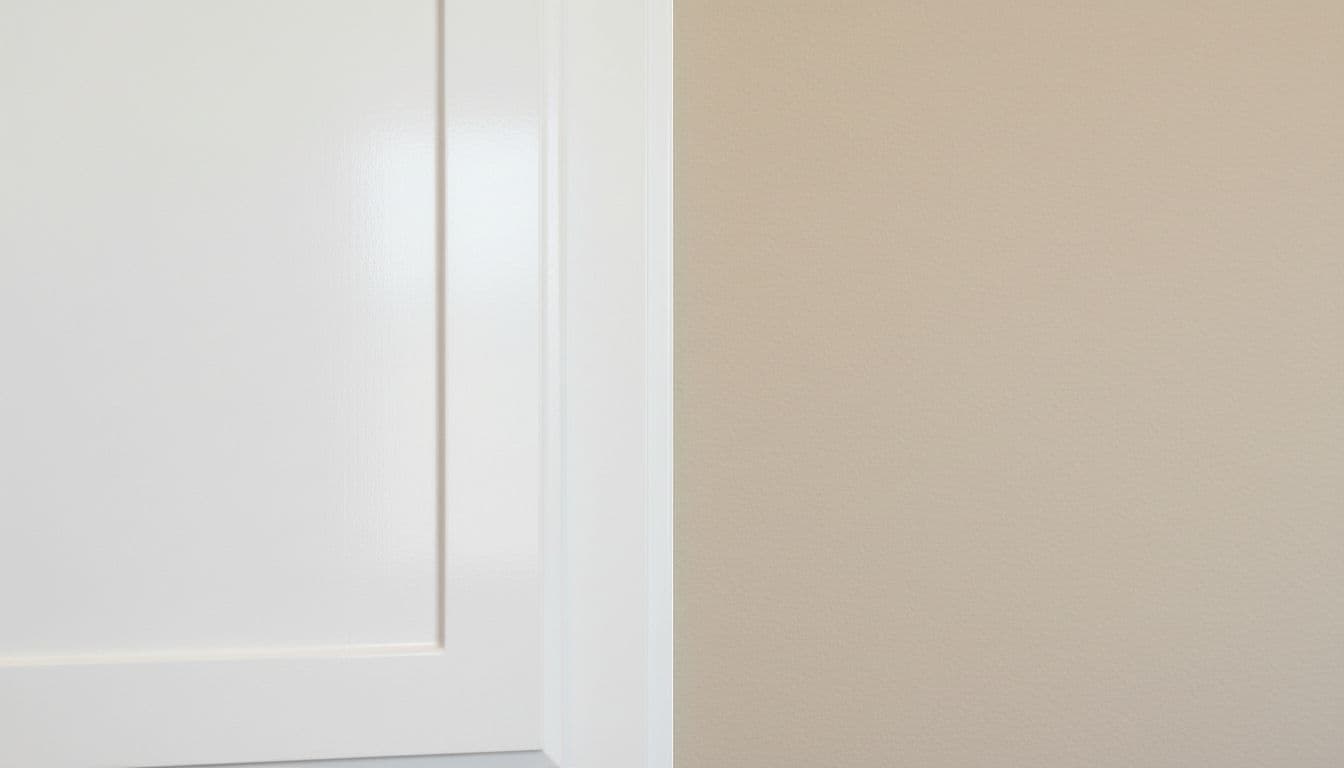
Why cabinet paint feels tougher and shinier
Cabinet paint has more of the binders that help it dry into a harder shell. Because of that, it resists scratches, stains, grease, and moisture better than most wall paints. Dr. Cabinet sees that benefit every day on cabinet doors, vanities, and trim.
So, can you use cabinet paint on walls for a whole room? Yes, but that hard shell changes how the wall looks and feels. On smooth cabinetry, that finish looks clean and sharp. On drywall, it can highlight every patch, dent, and roller mark.
Why wall paint is usually better for big flat surfaces
Wall paint is easier to roll, touch up, and blend across wide areas. It also has a finish that helps hide light texture and small repairs. That's why bedrooms, living rooms, and hallways usually look better with quality wall paint.
It also tends to be more budget-friendly. If you're covering hundreds of square feet, the price gap matters. A gallon of cabinet paint often costs more, so the upgrade can feel expensive fast.
What happens when you put cabinet paint on walls?
The main trade-off is simple: you get more toughness, but you may lose the soft look people expect from painted walls. At Dr. Cabinet, people often ask: can you use cabinet paint on walls if you want them easier to wipe clean? The answer is yes, but the finish can surprise you after it dries.
What you notice first is the surface. Cabinet paint often feels slicker and more sealed. That can be great near sinks, stoves, or messy entry points. Still, it doesn't always feel right in a bedroom or family room.
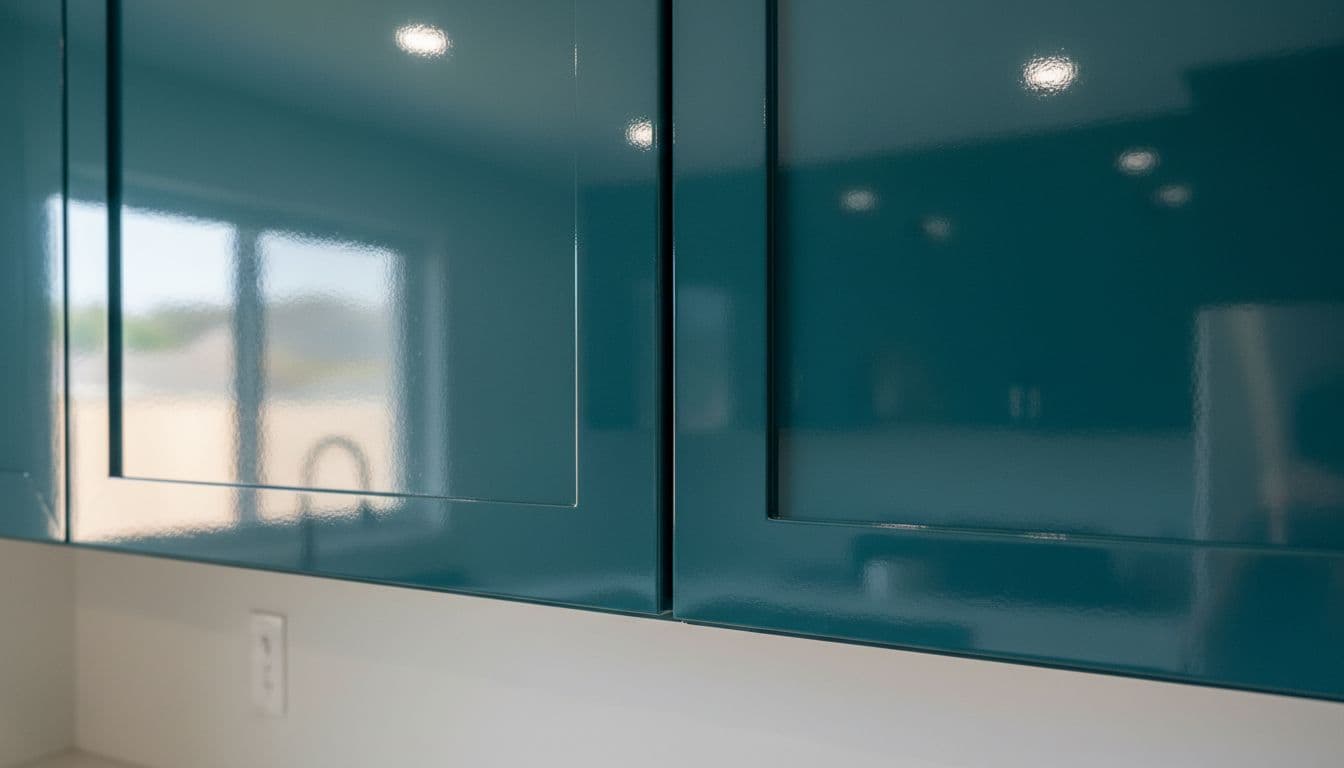
The finish may look too hard or too glossy
Some cabinet paints dry with a semi-gloss or gloss look, even when the color is beautiful. On a wall, that sheen can read a bit plastic-like, especially under ceiling lights or daylight. If your drywall isn't close to perfect, the shine will show it off.
That doesn't mean it always looks bad. In some 2026 kitchen trends, people are painting cabinets and walls in the same tone for a color-drenched look. When the wall is smooth and the room style fits, the result can look bold and polished.
Cabinet paint can be easier to clean, but it often makes wall flaws easier to see.
Dry time, prep, and touch-ups can be harder
Cabinet paint also asks for more patience. It may dry to the touch fast, but full cure can take longer. During that time, the surface can mark if it gets bumped, rubbed, or cleaned too soon.
Prep matters more, too. If the wall has glossy patches, old grease, or rough repairs, you'll need to clean, sand, and prime well. Later touch-ups can also be tricky because harder paints don't always blend as softly. If you patch one spot months later, the repair may flash under light. That is another reason wall paint wins for most full-room jobs.
When cabinet paint on walls can make sense
There are times when the extra toughness is worth it. In a mudroom, can you use cabinet paint on walls and like the result? Often, yes. Dr. Cabinet may suggest it in spots where backpacks, shoes, pet gear, and damp coats keep hitting the same surface.
These are special cases, though. For most walls, standard interior wall paint still gives the better balance of look, ease, and cost.
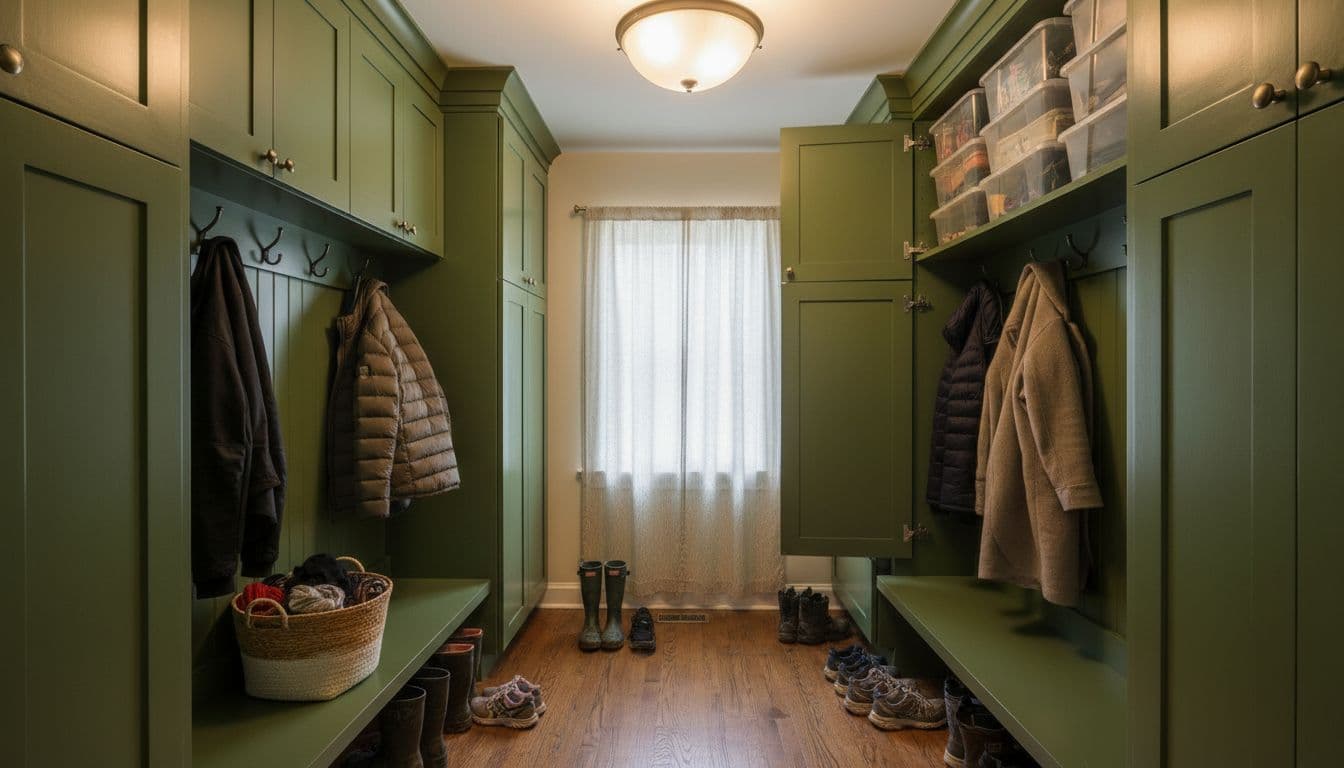
Small spaces and high-touch areas
Laundry rooms, mudrooms, back hallways, and trim-heavy spaces can benefit from a tougher coating. Those rooms get brushed, bumped, and wiped more often than a formal dining room. In a smaller area, the extra shine also feels less overwhelming.
This works best when the walls are in good shape. Smooth prep makes a big difference, because cabinet paint does not hide much.
When you want a washable, harder finish
Kitchens, bathrooms, and kids' spaces are the other common exceptions. If you want a wall that stands up to splatter, fingerprints, or repeated scrubbing, cabinet paint may help. Dr. Cabinet sees this logic most often near breakfast nooks, pantry walls, and built-in storage zones.
Still, choose carefully. A lower-sheen option, if the product offers one, usually looks better than full gloss on drywall. Test a sample first, because the same color can look sharper and brighter in a harder finish.
Final thoughts
Dr. Cabinet's short answer to can you use cabinet paint on walls is yes, but it's usually a niche choice. It works best where durability matters more than a soft, classic wall finish.
For most rooms, wall paint is still the smarter and cheaper option. Match the paint to the surface, and the job gets easier, the finish looks better, and the room feels right for years.


Comments
Post a Comment